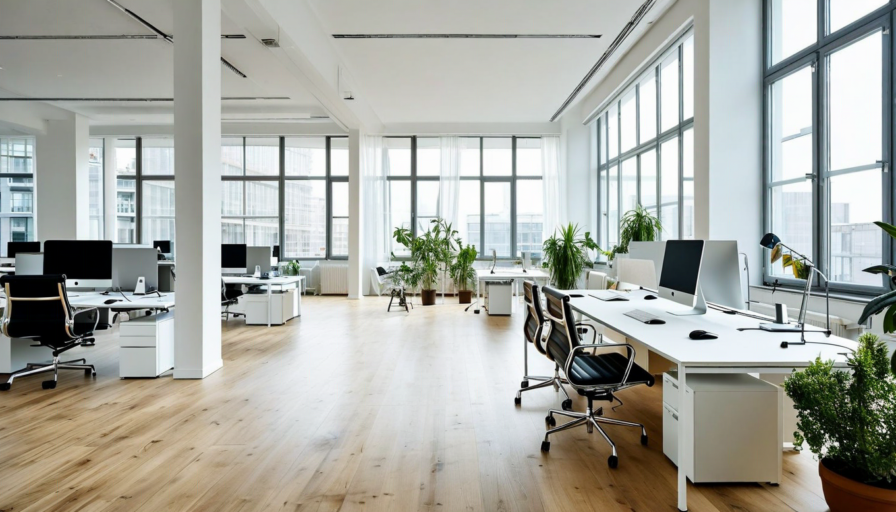
Office cleaning contracts usually specify floors vacuumed, trash emptied, bathrooms sanitized, and kitchen surfaces wiped. Done on paper. The problem is that the surfaces which drive illness transmission in offices — keyboards, phone handsets, door handles, light switches, elevator buttons, shared touchscreens — don't appear on most standard cleaning scopes.
This isn't an obscure finding. A 2021 study published in the Journal of Occupational and Environmental Hygiene found that high-touch non-porous surfaces in office environments had measurable contamination with influenza A, rhinovirus, and norovirus within one hour of workplace occupancy. Standard janitorial service addresses floors and trash. It doesn't address the surfaces that actually spread illness.
The surfaces that actually matter
When we evaluate an office space for commercial cleaning, we categorize surfaces by contamination probability and contact frequency, not by size or visibility. The highest-priority surfaces in a typical office aren't what you'd expect:
1. Keyboards and mice. Studies using ATP bioluminescence testing — the same method used to evaluate hospital surface cleanliness — routinely find keyboards and mice among the most contaminated surfaces in any office, often exceeding contamination levels measured on bathroom fixtures. Most cleaning services don't touch them because there's no clear protocol in the contract and clients don't explicitly request it.
The correct approach: disinfectant wipes suitable for electronics (70% isopropyl alcohol on microfiber, not spray) applied to all keyboards, mice, and laptop surfaces at each visit. We include this in our commercial scope at no additional charge.
2. Conference room chairs. Chair armrests, the underside of seat cushions where people grip when pulling chairs out, and the adjustment levers are handled by multiple people throughout the day. They're also almost never cleaned. A quarterly deep clean of upholstered chair surfaces with a fabric-safe disinfectant is the minimum standard. Monthly is better for offices with high meeting volume.
3. The coffee station. The coffee machine handle, the carafe handle, the creamer dispenser, the lid on the communal sugar container, and the button panel on the machine: all of these are touched by every employee multiple times per day, often after handling phones and keyboards and before preparing food. The counter may get wiped. The machine itself doesn't.
4. Refrigerator handles and doors. Same principle. The exterior handle is touched by everyone. The interior shelves, compartments, and door bins accumulate spills that become microbial growth sources within days. Kitchen refrigerators in offices of 20+ people should be wiped interior weekly and deep-cleaned monthly.
Scheduling: the argument for after-hours cleaning
Daytime office cleaning creates three problems. First, the crew is navigating around employees, which means surface dwell times get shortened (disinfectants need 30 – 60 seconds of contact time to work, and rushing through a space means wiping before the chemistry has done its job). Second, cleaning products create indoor air quality impacts — VOC off-gassing from conventional disinfectants in a space with limited ventilation and 20 people is a real issue. Third, vacuuming in an occupied office is disruptive.
After-hours cleaning eliminates all three issues. The crew has unobstructed access, can use appropriate disinfectant dwell times, and the VOC off-gassing happens overnight when the HVAC ventilates the space before occupancy. For Atlanta offices, our commercial crews arrive between 6pm and 8pm and are out before 10pm on most engagements.
What a good commercial cleaning scope looks like
Every office is different, but a well-written commercial cleaning scope includes frequency, defined surface categories, product specifications, and measurable standards. Here's what we include in our commercial contracts:
| Surface category | Frequency | Method |
|---|---|---|
| Hard floors (tile, LVP) | Every visit | Vacuum + damp mop |
| Carpet | Weekly | Commercial vacuum, HEPA filtered |
| Bathroom fixtures + floors | Every visit | EPA-registered disinfectant, 60s dwell |
| Kitchen counter + sink | Every visit | Degreaser + disinfectant wipe |
| Keyboards + mice | Every visit | 70% IPA microfiber |
| Door handles, light switches | Every visit | Disinfectant wipe |
| Conference chairs | Monthly | Fabric-safe disinfectant + wipe |
| Refrigerator interior | Monthly | All-purpose cleaner + disinfectant |
| Windows (interior) | Monthly | Glass cleaner + microfiber squeegee |
| Baseboards + vents | Quarterly | Vacuum + damp wipe |
This scope is what we propose to every new commercial client. Some offices want less — we work with the budget. But we're transparent about what gets skipped when we reduce scope, so the client can make an informed decision rather than assuming "standard office cleaning" means what we define above.
Month-to-month contracts: why flexibility matters more than price
Most commercial cleaning companies push 12-month or 24-month contracts. The pitch is a lower per-visit rate. The reality is that locking into a long contract reduces your leverage if service quality drops, the crew changes, or your business needs change (office size, schedule, headcount). We offer month-to-month contracts on all commercial engagements. The rate is slightly higher than a 12-month commitment, and our retention rate is over 85% annually — clients who aren't locked in and still stay are a better signal of actual quality than locked-in retention numbers.
PurFresh Clean handles commercial cleaning for offices across Atlanta. After-hours scheduling available. Certificate of insurance on file. Month-to-month contracts. Request a quote — we'll walk through your space and give you a specific scope and price within 24 hours.