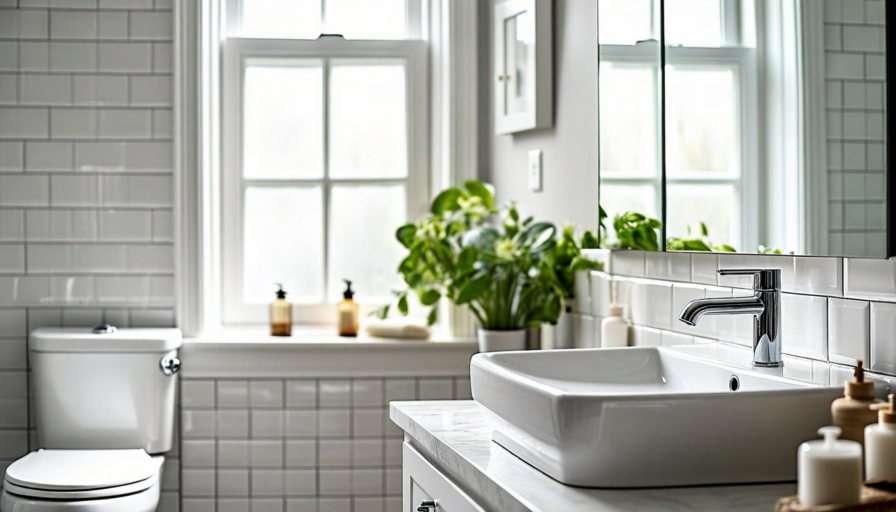
Atlanta averages 50 – 60 inches of rainfall annually and summer relative humidity above 70% for months at a time. That climate creates bathroom mold problems that clients in drier climates don't encounter at the same rate. We clean bathrooms in Buckhead, Midtown, Decatur, and Sandy Springs, and the pattern is consistent: the homes with recurring mold problems are almost always dealing with a ventilation issue, not just a cleaning issue.
Cleaning kills active mold. It doesn't prevent new growth if the conditions that support mold — moisture and organic substrate — remain in place. Here's the actual prevention framework.
Why mold keeps coming back
Mold spores are present in all indoor air at low concentrations. They become a problem when they land on a surface with adequate moisture and an organic substrate (soap scum, body oils, dead skin cells) and remain undisturbed long enough to establish growth. In a typical Atlanta bathroom, all three conditions exist from May through September:
- Relative humidity indoors follows outdoor humidity unless actively managed
- Showers deposit moisture on tile, grout, caulk, and ceiling surfaces multiple times daily
- Soap scum and body residue accumulate on grout lines between cleanings
Cleaning with a mold-killing product removes the visible growth and disrupts the colony. But if the bathroom surfaces remain at elevated humidity and the substrate isn't removed, new spores will establish within days. Clients who clean their bathrooms weekly and still have recurring mold by August are experiencing this cycle.
The mistake is treating mold as a cleaning problem rather than an environmental one. The cleaning step is necessary but not sufficient.
Fix the ventilation first
The single most effective mold prevention measure in an Atlanta bathroom is ensuring the exhaust fan actually works and actually exhausts to the outside of the building.
Test your bathroom exhaust fan: hold a square of toilet paper up to the vent while the fan is running. It should hold the paper against the vent with suction. If it doesn't, the fan isn't moving adequate air — either the motor is worn, the duct is clogged, or the duct is too long or too convoluted to move air efficiently.
Check where the duct terminates. In many Atlanta homes built before 2000, bathroom exhaust ducts were installed to vent into the attic rather than through the roof or soffit to outside. If your duct terminates in the attic, you're pumping humid air directly into your attic structure, creating a mold problem there and accomplishing nothing for bathroom humidity. This is a code violation in current Georgia construction — but it's present in a significant percentage of existing homes. The fix is extending the duct to an exterior vent, typically a $150 – $300 HVAC job.
Fan operation: the exhaust fan should run during the shower and for 20 – 30 minutes after. Most people turn it off when they leave the bathroom. An inexpensive humidity-sensing fan switch (Broan makes several in the $30 – $50 range) runs the fan automatically until humidity drops below a set threshold. This handles the post-shower humidity spike without requiring any habit change.
The grout sealing step
Unsettled grout is porous and absorbs moisture and soap residue. Once mold establishes in the pore structure of grout, surface cleaning removes the visible growth but leaves the mycelia embedded in the grout. The mold grows back from the same location, typically within 1 – 3 weeks in summer.
The permanent fix: after a thorough deep clean, seal the grout. Grout sealer (available at any home improvement store, approximately $10 – $15 per bottle) fills the pore structure and prevents moisture and organic material from penetrating. A sealed grout line can still develop surface mold, but surface mold is removable. Embedded mold in porous grout is not.
Application: clean and dry grout completely first. Apply sealer with an applicator brush or the sponge included with most bottles, working in the grout lines only. Wipe excess off tile surfaces immediately. Allow to cure per manufacturer specifications (typically 24 – 48 hours) before exposing to moisture. Reapply annually — sealer wears down with regular cleaning.
Caulk condition matters more than people realize
The caulk bead at the tub-wall interface and around the shower base is the bathroom's most vulnerable surface for mold. Caulk is silicone with biocide additives that prevent mold growth when the caulk is new. The biocides deplete over 12 – 18 months with regular exposure to mold spores and cleaning products. Mold in caulk after 2 years of installation is not a cleaning failure — the caulk is at the end of its mold-resistant life.
Recaulking is the correct answer for caulk with embedded black mold. It's a one-time 30-minute job:
- Score the old caulk with a utility knife on both sides of the bead
- Pull the old caulk out with pliers or a caulk removal tool
- Clean the substrate with rubbing alcohol and allow to dry completely (minimum 24 hours)
- Apply new mildew-resistant 100% silicone caulk in a thin, even bead
- Smooth with a wet finger, let cure 24 hours before water contact
Use 100% silicone caulk, not latex or "paintable" caulk. Silicone doesn't absorb water and has better mold resistance. The tradeoff: silicone is harder to apply cleanly. Use painter's tape on both sides of the joint for a clean line if you're not experienced with caulk application.
The cleaning chemistry that actually kills mold
Not all cleaning products kill mold — some only remove visible growth without affecting viable spores. For effective mold remediation on bathroom surfaces:
Bleach solution: 1 cup bleach per gallon of water (approximately 600 ppm hypochlorite) is an effective mold killer on non-porous surfaces like tile and glass. Apply, let dwell 10 minutes, scrub, rinse. Ventilate the bathroom during and after. Don't mix with ammonia-based cleaners or vinegar — the reaction produces chloramine gas.
Hydrogen peroxide (3%): Effective on porous surfaces where bleach bleaching is a concern (colored grout). Apply undiluted, dwell 10 minutes, scrub. Lower odor than bleach, equally effective for surface mold on porous materials.
Commercial mold sprays with quaternary ammonium compounds (quats): Products like Concrobium Mold Control or RMR-86 are EPA-registered for mold remediation. Concrobium works by physically crushing the mold cell structure as it dries and leaves a residual that inhibits regrowth. Better long-term performance than a single bleach treatment.
PurFresh Clean deep cleans include grout scrubbing in all tiled areas. Our Premium plan covers grout lines throughout the bathroom — the kind of attention that makes a difference in Atlanta's climate. Book a deep clean before the summer humidity season starts.